


How does the smart bracelet watch optimize a user's fitness results through activity recording and trajectory tracking?
Release Time : 2026-05-06
In modern health management, exercise is no longer just a simple physical activity, but a systematic process requiring scientific recording and data analysis. The smart bracelet watch, through its activity recording and trajectory tracking functions, acts like a "personal coach," capturing and analyzing exercise data in real time to help users continuously optimize their fitness results.
1. Accurately Recording Exercise Data to Establish Basic Understanding
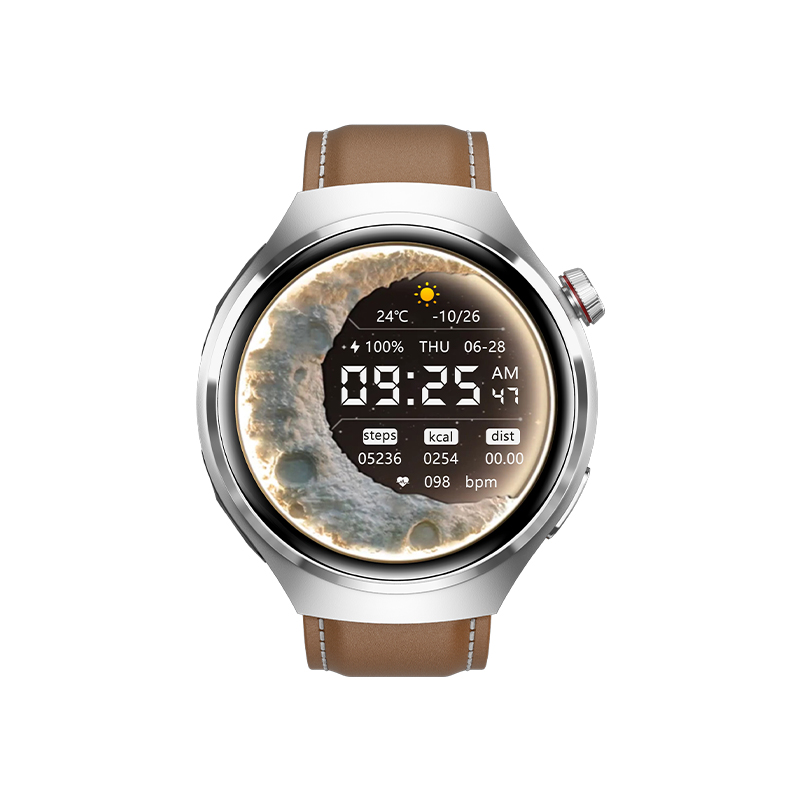
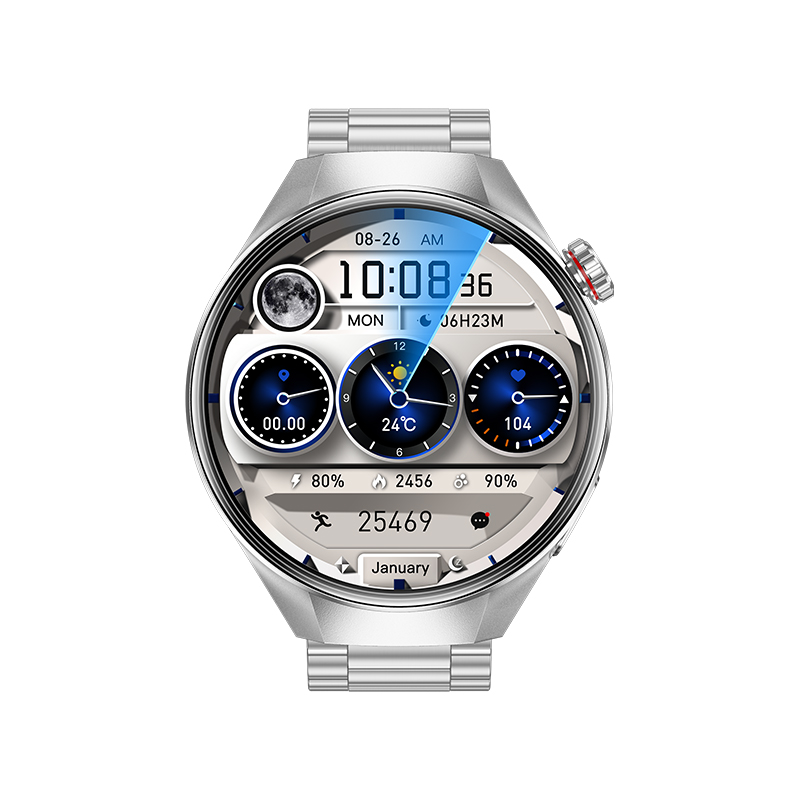
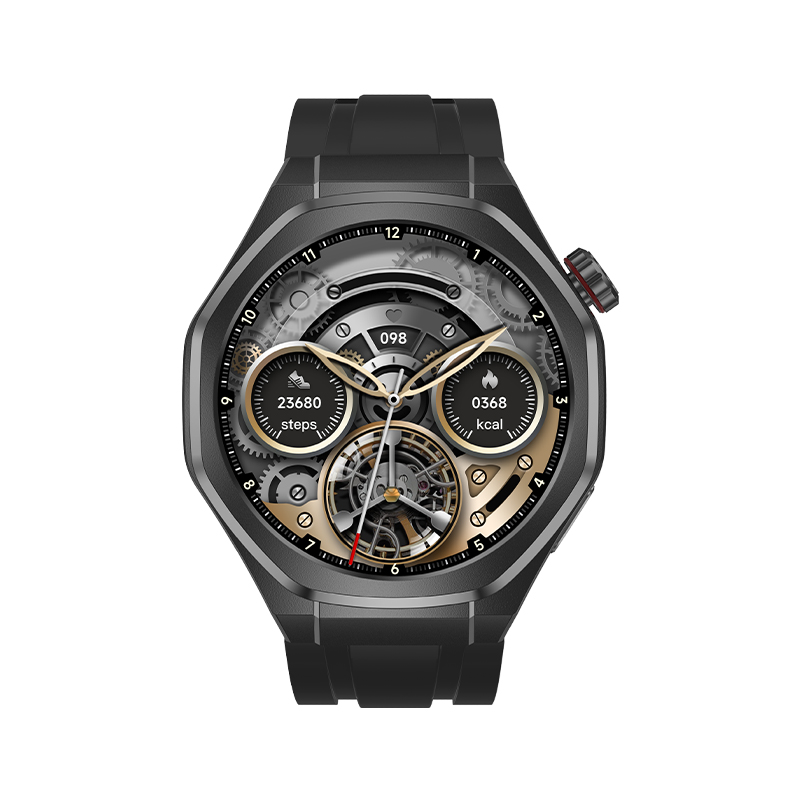
The smart bracelet watch can record basic exercise data in real time, such as steps, distance, time, and calorie consumption. This data provides users with a clear reference for their exercise volume, allowing them to understand their daily activity level. Through continuous recording, users can gradually build an understanding of their own exercise habits, thereby setting more reasonable fitness goals.
2. Trajectory Tracking to Reconstruct Exercise Routes
Through GPS or a connected mobile phone for location services, the smart bracelet watch can record exercise routes, presenting a complete picture of running, cycling, or hiking paths. Track data not only helps users review their routes but also analyzes factors such as changes in slope and frequency of turns, thereby assessing exercise intensity and environmental influences. This visualized information makes the exercise process more intuitive and controllable.
3. Multidimensional Data Analysis Enhances Training Scientificity
Beyond basic data, the smart bracelet watch incorporates information such as heart rate and speed for multidimensional analysis of exercise status. For example, heart rate changes can determine whether the exercise is in the fat-burning or high-intensity zone, helping users adjust their pace and avoid overtraining or undertraining. This data-driven approach makes fitness more scientific and effective.
4. Personalized Feedback Optimizes Exercise Plans
Based on long-term data accumulation, the smart bracelet watch can provide users with personalized suggestions, such as adjusting exercise duration, frequency, or intensity. Through comparative analysis of historical data, users can clearly see progress trends, thereby continuously optimizing their training plans and achieving gradual improvement.
5. Real-time Monitoring Enhances Exercise Safety
During exercise, the bracelet can monitor indicators such as heart rate in real time, promptly reminding users to adjust or stop exercising when abnormalities occur. This instant feedback mechanism not only protects physical health but also makes training safer and more reliable.
6. Incentive Mechanisms Enhance Sustained Motivation
Smart bracelet watches typically come equipped with goal setting and achievement reminder functions, such as daily step count goals or exercise duration goals. When users achieve their goals, they receive feedback and prompts, enhancing their sense of accomplishment. This positive reinforcement helps cultivate long-term exercise habits and improves the sustainability of fitness efforts.
In summary, the smart bracelet watch transforms the exercise process into a quantifiable and analyzable data system through activity recording and trajectory tracking. From basic recording to in-depth analysis and personalized optimization, it enables users to train more scientifically, continuously improve fitness results, and achieve long-term health management goals.
1. Accurately Recording Exercise Data to Establish Basic Understanding
The smart bracelet watch can record basic exercise data in real time, such as steps, distance, time, and calorie consumption. This data provides users with a clear reference for their exercise volume, allowing them to understand their daily activity level. Through continuous recording, users can gradually build an understanding of their own exercise habits, thereby setting more reasonable fitness goals.
2. Trajectory Tracking to Reconstruct Exercise Routes
Through GPS or a connected mobile phone for location services, the smart bracelet watch can record exercise routes, presenting a complete picture of running, cycling, or hiking paths. Track data not only helps users review their routes but also analyzes factors such as changes in slope and frequency of turns, thereby assessing exercise intensity and environmental influences. This visualized information makes the exercise process more intuitive and controllable.
3. Multidimensional Data Analysis Enhances Training Scientificity
Beyond basic data, the smart bracelet watch incorporates information such as heart rate and speed for multidimensional analysis of exercise status. For example, heart rate changes can determine whether the exercise is in the fat-burning or high-intensity zone, helping users adjust their pace and avoid overtraining or undertraining. This data-driven approach makes fitness more scientific and effective.
4. Personalized Feedback Optimizes Exercise Plans
Based on long-term data accumulation, the smart bracelet watch can provide users with personalized suggestions, such as adjusting exercise duration, frequency, or intensity. Through comparative analysis of historical data, users can clearly see progress trends, thereby continuously optimizing their training plans and achieving gradual improvement.
5. Real-time Monitoring Enhances Exercise Safety
During exercise, the bracelet can monitor indicators such as heart rate in real time, promptly reminding users to adjust or stop exercising when abnormalities occur. This instant feedback mechanism not only protects physical health but also makes training safer and more reliable.
6. Incentive Mechanisms Enhance Sustained Motivation
Smart bracelet watches typically come equipped with goal setting and achievement reminder functions, such as daily step count goals or exercise duration goals. When users achieve their goals, they receive feedback and prompts, enhancing their sense of accomplishment. This positive reinforcement helps cultivate long-term exercise habits and improves the sustainability of fitness efforts.
In summary, the smart bracelet watch transforms the exercise process into a quantifiable and analyzable data system through activity recording and trajectory tracking. From basic recording to in-depth analysis and personalized optimization, it enables users to train more scientifically, continuously improve fitness results, and achieve long-term health management goals.