


How does a smart bracelet improve daily health management?
Release Time : 2026-05-27
In the modern era of digital wellness, the smart bracelet has evolved from a simple step counter into a sophisticated, 24/7 health sentinel. Worn unobtrusively on the wrist, this compact device serves as a bridge between our daily behaviors and complex physiological data. By providing continuous monitoring, actionable insights, and early risk warnings, a smart bracelet fundamentally transforms how individuals approach their personal well-being, shifting the focus from reactive medical treatment to proactive health management.
The most significant contribution of a smart bracelet to daily health is its ability to provide continuous, real-time monitoring of vital signs. Unlike traditional medical check-ups that offer only a static snapshot of health at a single moment, a smart bracelet captures dynamic trends over time. Through advanced photoplethysmography (PPG) sensors, it tracks heart rate fluctuations throughout the day and night. This constant vigilance allows users to understand their resting heart rate—a key indicator of cardiovascular efficiency—and receive immediate alerts if their heart rate spikes abnormally during periods of inactivity. Furthermore, blood oxygen saturation (SpO2) monitoring provides crucial insights into respiratory health and overall oxygen delivery, which is particularly valuable during high-intensity workouts or for detecting potential breathing disturbances during sleep.
Beyond physical vitals, smart bracelets play a pivotal role in optimizing one of the most critical pillars of health: sleep. Many people underestimate the impact of poor sleep on their long-term well-being. A smart bracelet meticulously analyzes sleep architecture by distinguishing between light sleep, deep sleep, and REM (Rapid Eye Movement) cycles. It does not just record the duration of rest but evaluates its quality. By presenting detailed sleep reports, the device helps users identify patterns—such as frequent awakenings or insufficient deep sleep—that may be causing daytime fatigue. Armed with this data, individuals can make informed lifestyle adjustments, such as altering their bedtime routines or reducing screen time before sleep, leading to tangible improvements in recovery and mental clarity.
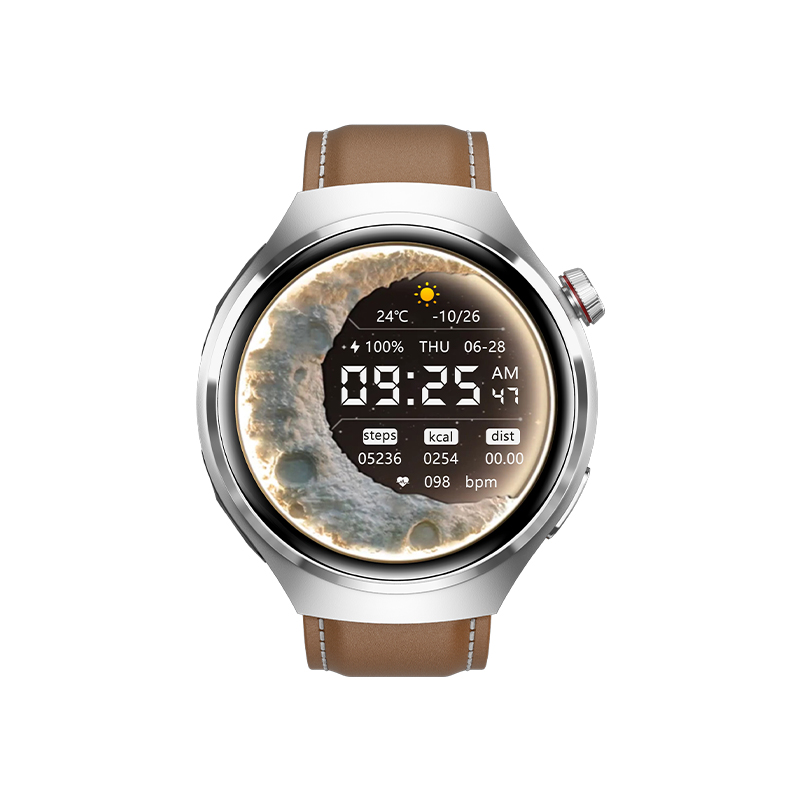
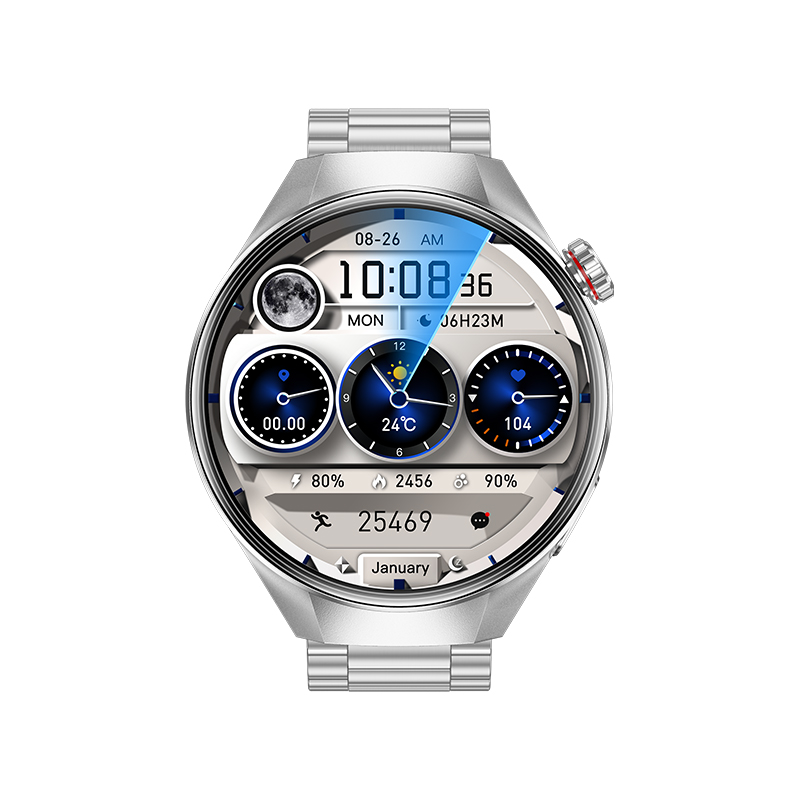
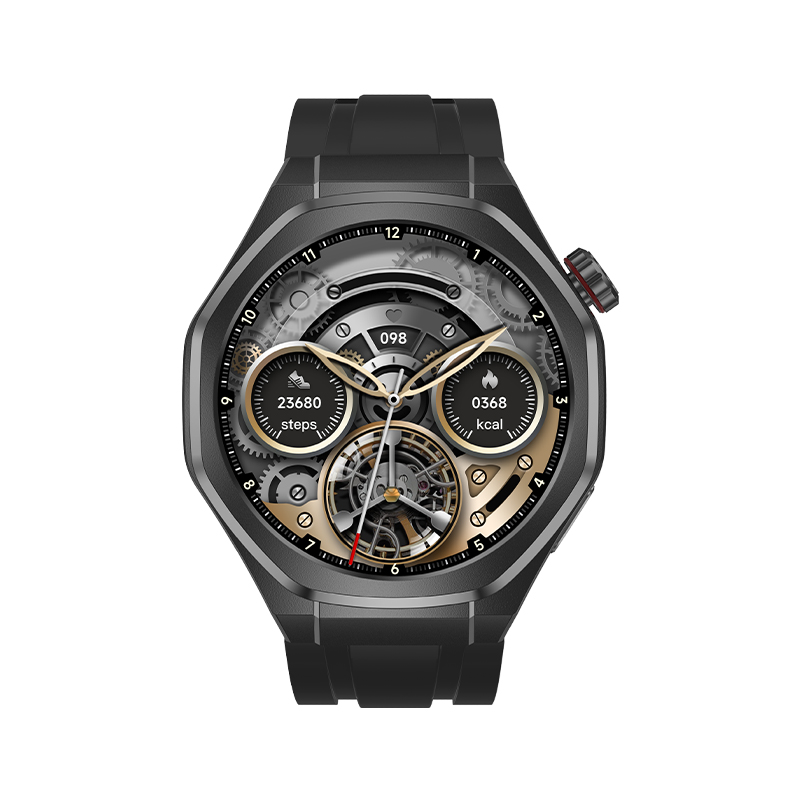
Physical activity is another domain where smart bracelets act as powerful motivators and guides. They transform abstract fitness goals into concrete, trackable metrics. By accurately counting steps, calculating distance traveled, and estimating calorie expenditure, these devices encourage users to combat sedentary lifestyles. For those engaging in specific exercises, the bracelet provides tailored data on performance, helping to optimize training intensity and prevent overexertion. The inclusion of features like "stand reminders" gently nudges office workers to move periodically, mitigating the health risks associated with prolonged sitting. This gamification of movement fosters a sense of achievement and accountability, making the journey toward fitness both engaging and sustainable.
Moreover, modern smart bracelets are increasingly capable of assessing mental well-being through stress monitoring. By analyzing Heart Rate Variability (HRV)—the subtle variation in time intervals between heartbeats—the device can estimate the user's stress levels and the balance of their autonomic nervous system. When high stress is detected, the bracelet can prompt the user to take a moment for guided breathing exercises or mindfulness practices. This feature serves as an emotional checkpoint, reminding individuals to pause and reset amidst the pressures of daily life, thereby promoting better psychological resilience.
Ultimately, the true power of a smart bracelet lies in its ability to synthesize vast amounts of data into a coherent narrative about one's health. It acts as a personalized health diary, highlighting correlations between exercise, sleep, and stress. While it is important to remember that consumer wearables are tools for trend observation rather than medical diagnostic devices, they empower users to become active participants in their own healthcare. By fostering awareness and encouraging positive behavioral changes, the smart bracelet stands as an essential companion in the pursuit of a healthier, more balanced life.
The most significant contribution of a smart bracelet to daily health is its ability to provide continuous, real-time monitoring of vital signs. Unlike traditional medical check-ups that offer only a static snapshot of health at a single moment, a smart bracelet captures dynamic trends over time. Through advanced photoplethysmography (PPG) sensors, it tracks heart rate fluctuations throughout the day and night. This constant vigilance allows users to understand their resting heart rate—a key indicator of cardiovascular efficiency—and receive immediate alerts if their heart rate spikes abnormally during periods of inactivity. Furthermore, blood oxygen saturation (SpO2) monitoring provides crucial insights into respiratory health and overall oxygen delivery, which is particularly valuable during high-intensity workouts or for detecting potential breathing disturbances during sleep.
Beyond physical vitals, smart bracelets play a pivotal role in optimizing one of the most critical pillars of health: sleep. Many people underestimate the impact of poor sleep on their long-term well-being. A smart bracelet meticulously analyzes sleep architecture by distinguishing between light sleep, deep sleep, and REM (Rapid Eye Movement) cycles. It does not just record the duration of rest but evaluates its quality. By presenting detailed sleep reports, the device helps users identify patterns—such as frequent awakenings or insufficient deep sleep—that may be causing daytime fatigue. Armed with this data, individuals can make informed lifestyle adjustments, such as altering their bedtime routines or reducing screen time before sleep, leading to tangible improvements in recovery and mental clarity.
Physical activity is another domain where smart bracelets act as powerful motivators and guides. They transform abstract fitness goals into concrete, trackable metrics. By accurately counting steps, calculating distance traveled, and estimating calorie expenditure, these devices encourage users to combat sedentary lifestyles. For those engaging in specific exercises, the bracelet provides tailored data on performance, helping to optimize training intensity and prevent overexertion. The inclusion of features like "stand reminders" gently nudges office workers to move periodically, mitigating the health risks associated with prolonged sitting. This gamification of movement fosters a sense of achievement and accountability, making the journey toward fitness both engaging and sustainable.
Moreover, modern smart bracelets are increasingly capable of assessing mental well-being through stress monitoring. By analyzing Heart Rate Variability (HRV)—the subtle variation in time intervals between heartbeats—the device can estimate the user's stress levels and the balance of their autonomic nervous system. When high stress is detected, the bracelet can prompt the user to take a moment for guided breathing exercises or mindfulness practices. This feature serves as an emotional checkpoint, reminding individuals to pause and reset amidst the pressures of daily life, thereby promoting better psychological resilience.
Ultimately, the true power of a smart bracelet lies in its ability to synthesize vast amounts of data into a coherent narrative about one's health. It acts as a personalized health diary, highlighting correlations between exercise, sleep, and stress. While it is important to remember that consumer wearables are tools for trend observation rather than medical diagnostic devices, they empower users to become active participants in their own healthcare. By fostering awareness and encouraging positive behavioral changes, the smart bracelet stands as an essential companion in the pursuit of a healthier, more balanced life.