


How can smart bracelets enhance user experience and product differentiation through personalized watch faces and style switching?
Release Time : 2026-06-08
With the continuous development of the smart wearable device market, smart bracelets have evolved from simple activity tracking tools into integrated smart terminals encompassing health monitoring, information interaction, communication, entertainment, and personalized display. Currently, most smart bracelets on the market offer features such as heart rate monitoring, blood oxygen detection, sleep analysis, Bluetooth calling, message notifications, and activity tracking, leading to a trend towards product homogenization.
1. Meeting Personalization Needs to Enhance User Engagement
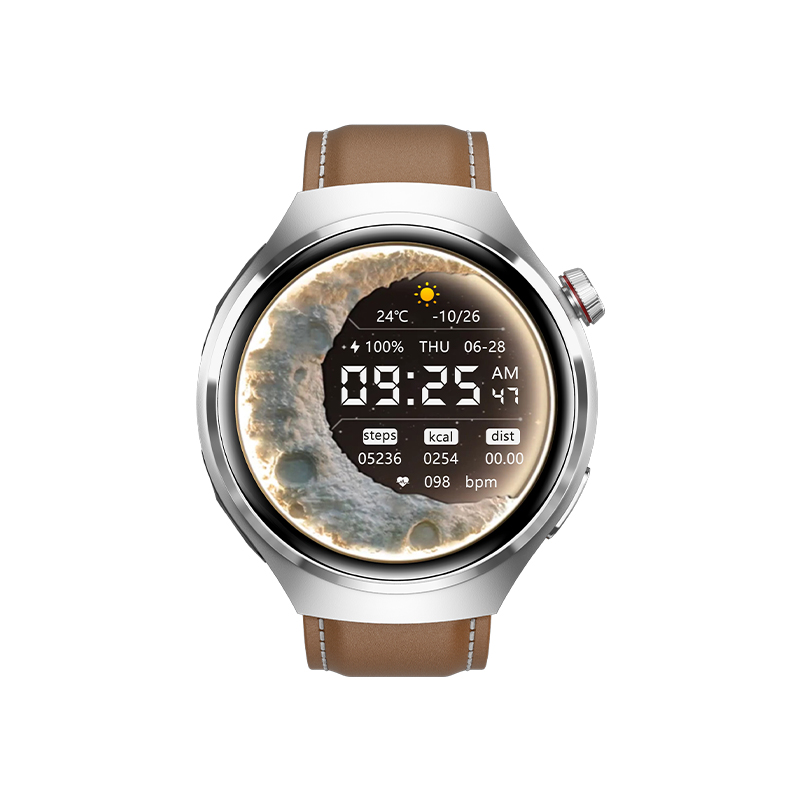
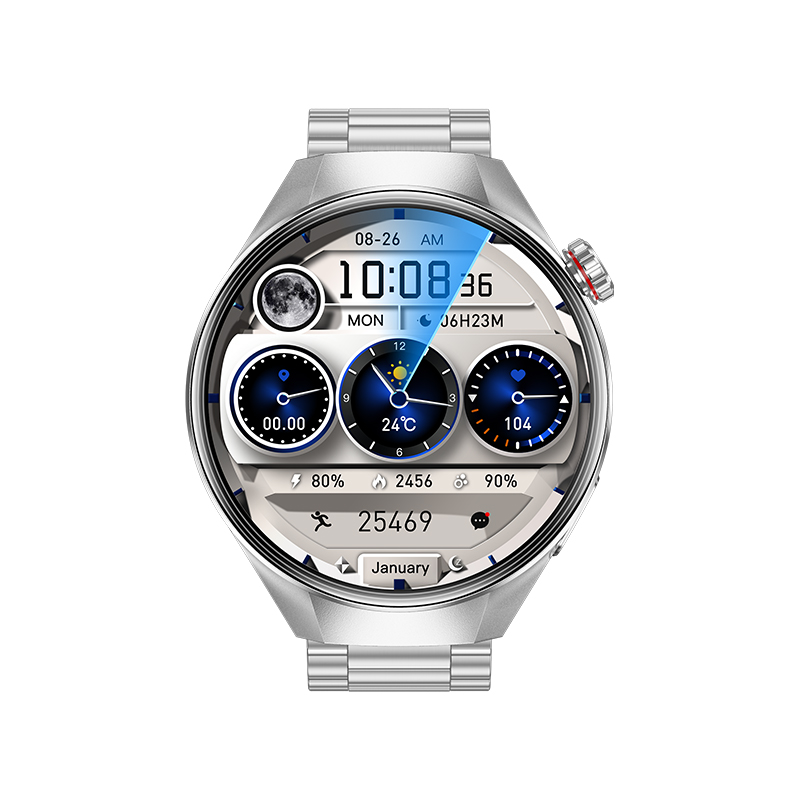
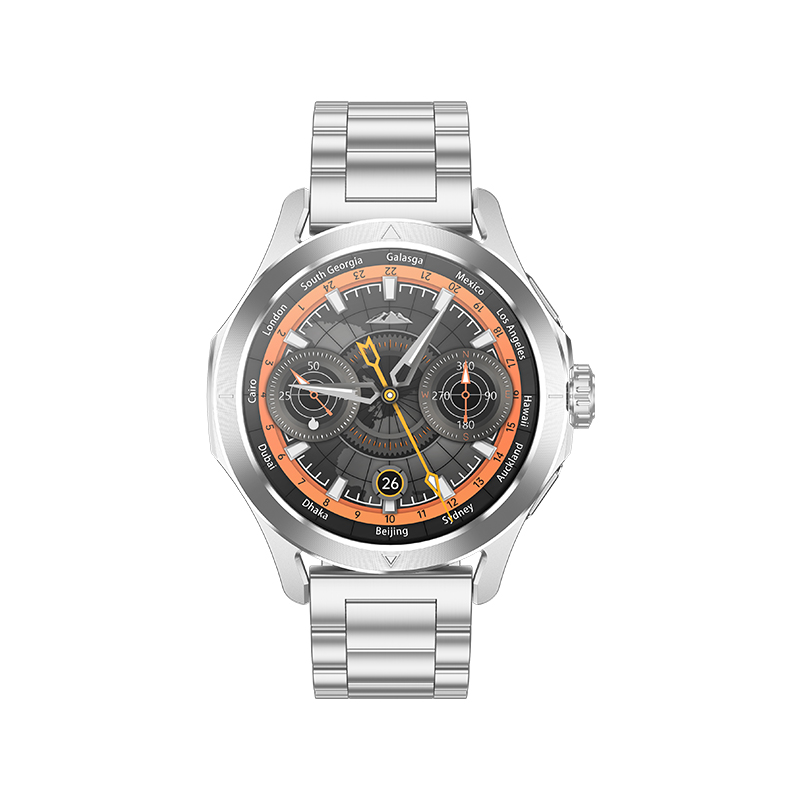
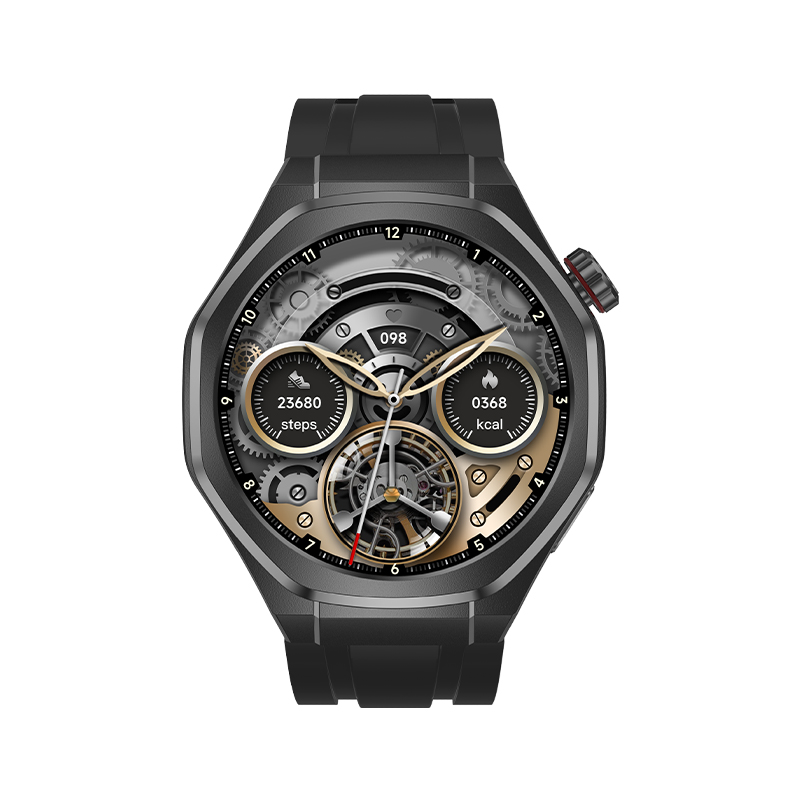
Users of different ages, professions, and interests have significantly different aesthetic preferences for smart bracelet interfaces. Traditional fixed watch faces often fail to meet diverse usage needs, while personalized watch face functionality allows users to freely choose display styles according to their preferences. For example, various themes such as business, sports, technology, and minimalist styles allow users to switch between them for different scenarios. Users can also customize background images, font styles, and information layouts, making the device more personalized. This highly customizable approach enhances user engagement and increases product stickiness.
2. Optimize Information Display to Improve Interaction Efficiency
The watch face not only serves as an aesthetic display but also a crucial entry point for users to access information. Personalized design allows for adjustments to the displayed content based on user needs. For example, fitness enthusiasts can prioritize displaying steps, heart rate, and exercise data; business professionals can focus on time, schedules, and notifications; and health management users can place blood oxygen, body temperature, and sleep data on the homepage. A well-organized information layout reduces the number of menu transitions, allowing users to quickly access the information they need, thereby improving overall interaction efficiency and ease of use.
3. Enhance Scene Adaptability with Style Switching
Modern smart bracelets are increasingly used in a wide range of scenarios, from office work and sports to leisure and entertainment. The style switching function allows for quick adjustments to the interface display mode based on different usage environments. For example, in sports mode, the interface can highlight exercise tracks, timers, and real-time heart rate information; in business mode, it prioritizes call reminders, calendar, and weather information; and in night mode, it improves reading comfort by reducing brightness and optimizing color schemes. Flexible style switching enhances the device's adaptability to different scenarios and improves the user experience.
4. Enhance Brand Recognition and Create Product Distinctiveness
Personalized watch faces are also an important vehicle for reflecting brand design philosophy. Developing watch face themes with unique visual styles and smart island interface designs can enhance product recognition and leave a lasting impression on users. Simultaneously, brands can regularly launch holiday themes, co-branded themes, and dynamic watch face content to bring users a continuous sense of novelty. This differentiated design not only enhances brand image but also strengthens user identification and loyalty to the product.
5. Create an Immersive Experience by Integrating Smart Functions
As smart bracelet functionality continues to expand, personalized watch faces are no longer limited to static displays but are gradually being deeply integrated with functions such as voice assistants, weather forecasts, health monitoring, and message notifications. For example, users can click on the weather area on the watch face to view detailed weather information, click on the heart rate module to enter the health monitoring interface, or quickly switch function pages through the voice assistant. Dynamic interactive design makes the watch face an important control center for the smart bracelet, further enhancing user experience and ease of operation.
6. Promote Ecosystem Expansion and Enhance Market Competitiveness
An open watch face ecosystem can attract more developers and users to participate in content creation. Through an online watch face marketplace, users can download a wealth of themes and even design their own custom watch faces. This not only meets the personalized needs of different user groups but also fosters a continuously updated content ecosystem. A rich ecosystem helps enhance product activity and market appeal, further expanding the brand's competitive advantage.
In conclusion, smart bracelets, with their personalized watch faces and style switching capabilities, effectively satisfy diverse user aesthetic needs, optimize information display efficiency, improve scene adaptability, and enhance brand characteristics and user interaction. Furthermore, by combining smart features such as health monitoring, Bluetooth calling, push notifications, and voice assistants, a richer interactive ecosystem can be built. By continuously improving the personalized experience, smart bracelets not only enhance user satisfaction but also establish a more prominent differentiated advantage in the highly competitive smart wearable market.
1. Meeting Personalization Needs to Enhance User Engagement
Users of different ages, professions, and interests have significantly different aesthetic preferences for smart bracelet interfaces. Traditional fixed watch faces often fail to meet diverse usage needs, while personalized watch face functionality allows users to freely choose display styles according to their preferences. For example, various themes such as business, sports, technology, and minimalist styles allow users to switch between them for different scenarios. Users can also customize background images, font styles, and information layouts, making the device more personalized. This highly customizable approach enhances user engagement and increases product stickiness.
2. Optimize Information Display to Improve Interaction Efficiency
The watch face not only serves as an aesthetic display but also a crucial entry point for users to access information. Personalized design allows for adjustments to the displayed content based on user needs. For example, fitness enthusiasts can prioritize displaying steps, heart rate, and exercise data; business professionals can focus on time, schedules, and notifications; and health management users can place blood oxygen, body temperature, and sleep data on the homepage. A well-organized information layout reduces the number of menu transitions, allowing users to quickly access the information they need, thereby improving overall interaction efficiency and ease of use.
3. Enhance Scene Adaptability with Style Switching
Modern smart bracelets are increasingly used in a wide range of scenarios, from office work and sports to leisure and entertainment. The style switching function allows for quick adjustments to the interface display mode based on different usage environments. For example, in sports mode, the interface can highlight exercise tracks, timers, and real-time heart rate information; in business mode, it prioritizes call reminders, calendar, and weather information; and in night mode, it improves reading comfort by reducing brightness and optimizing color schemes. Flexible style switching enhances the device's adaptability to different scenarios and improves the user experience.
4. Enhance Brand Recognition and Create Product Distinctiveness
Personalized watch faces are also an important vehicle for reflecting brand design philosophy. Developing watch face themes with unique visual styles and smart island interface designs can enhance product recognition and leave a lasting impression on users. Simultaneously, brands can regularly launch holiday themes, co-branded themes, and dynamic watch face content to bring users a continuous sense of novelty. This differentiated design not only enhances brand image but also strengthens user identification and loyalty to the product.
5. Create an Immersive Experience by Integrating Smart Functions
As smart bracelet functionality continues to expand, personalized watch faces are no longer limited to static displays but are gradually being deeply integrated with functions such as voice assistants, weather forecasts, health monitoring, and message notifications. For example, users can click on the weather area on the watch face to view detailed weather information, click on the heart rate module to enter the health monitoring interface, or quickly switch function pages through the voice assistant. Dynamic interactive design makes the watch face an important control center for the smart bracelet, further enhancing user experience and ease of operation.
6. Promote Ecosystem Expansion and Enhance Market Competitiveness
An open watch face ecosystem can attract more developers and users to participate in content creation. Through an online watch face marketplace, users can download a wealth of themes and even design their own custom watch faces. This not only meets the personalized needs of different user groups but also fosters a continuously updated content ecosystem. A rich ecosystem helps enhance product activity and market appeal, further expanding the brand's competitive advantage.
In conclusion, smart bracelets, with their personalized watch faces and style switching capabilities, effectively satisfy diverse user aesthetic needs, optimize information display efficiency, improve scene adaptability, and enhance brand characteristics and user interaction. Furthermore, by combining smart features such as health monitoring, Bluetooth calling, push notifications, and voice assistants, a richer interactive ecosystem can be built. By continuously improving the personalized experience, smart bracelets not only enhance user satisfaction but also establish a more prominent differentiated advantage in the highly competitive smart wearable market.